The idea behind it
The idea behind it
In developed countries, public transport is one connected system. Buses, trams, and trains run on fixed schedules: every 10 minutes, every 20 minutes, from a fixed time to a fixed time. A passenger opens an app, finds their route, sees when the next bus arrives, and plans their day around it. The system works because people can trust it.
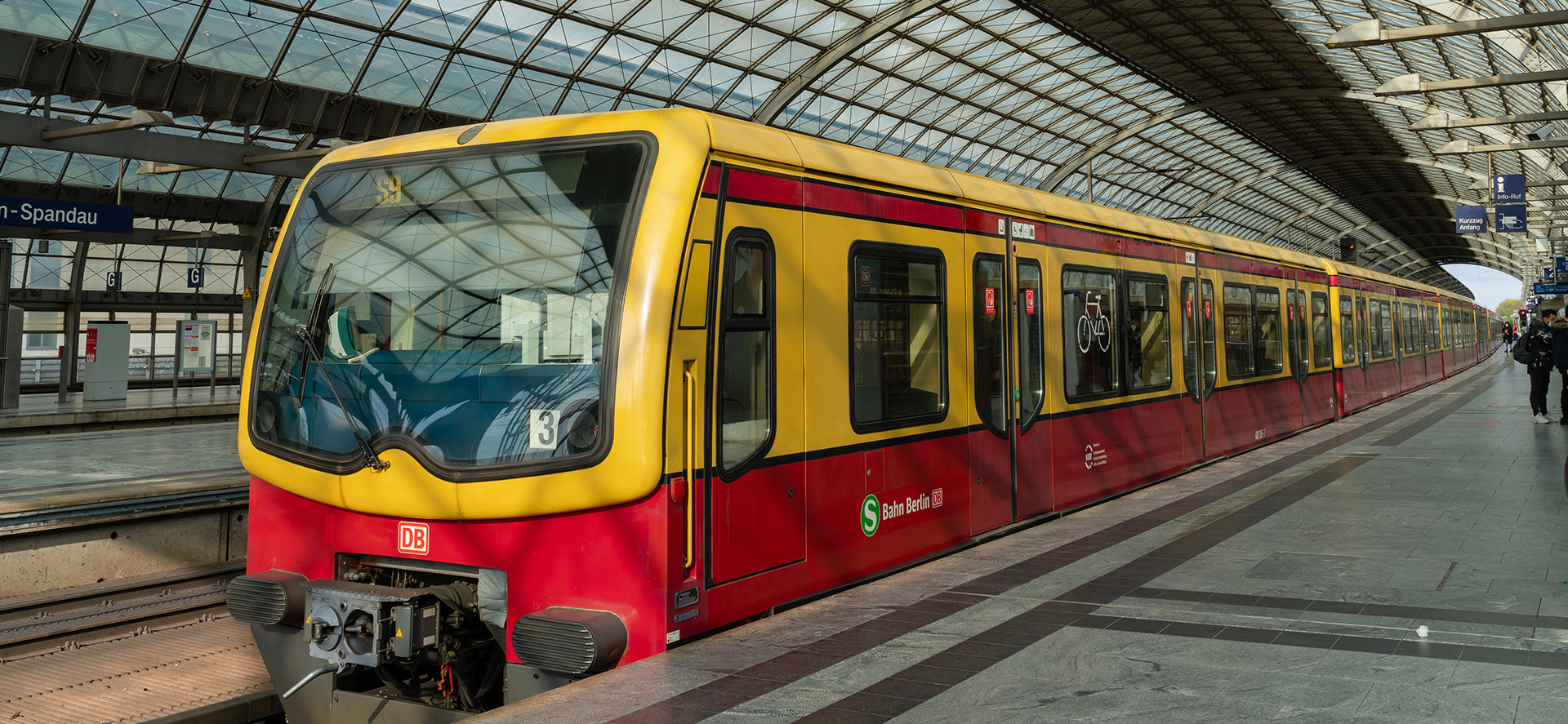 S-Bahn
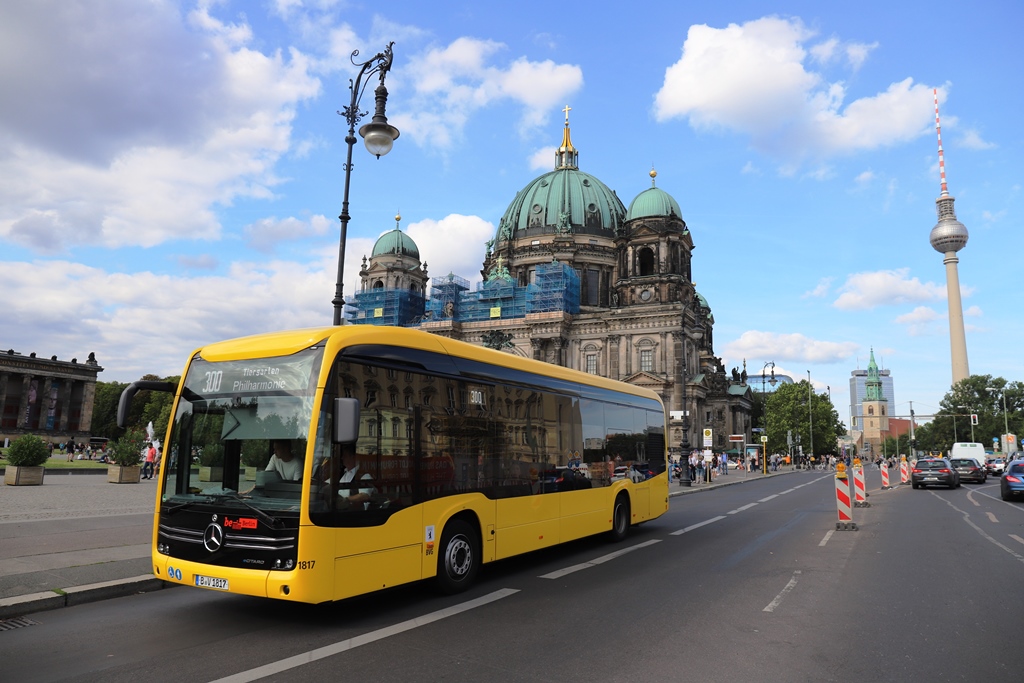 Bus
Bus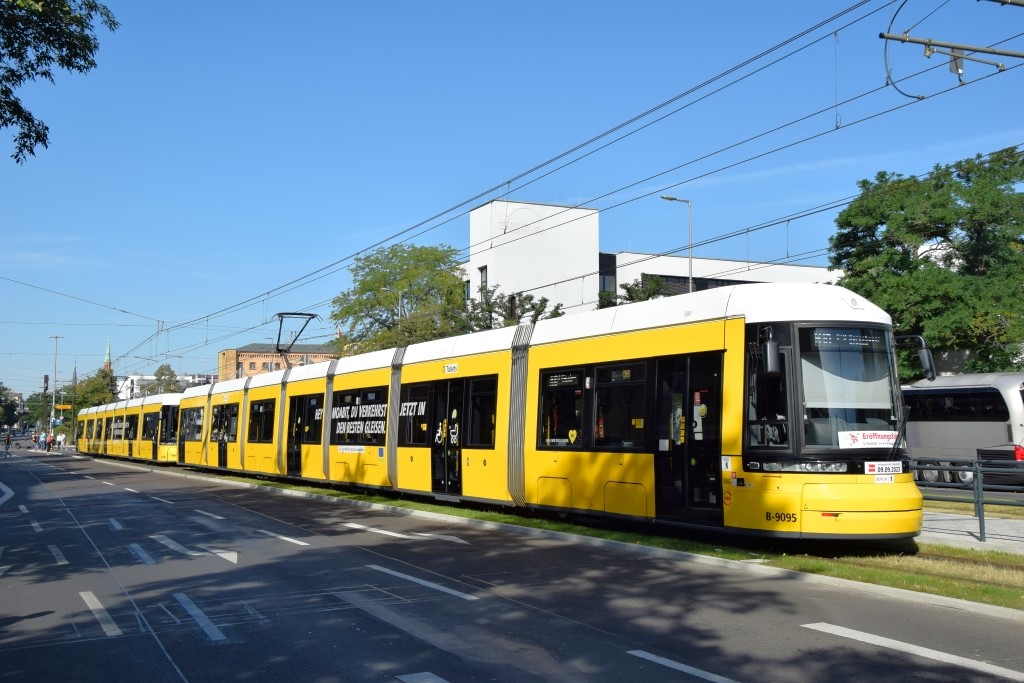 Tram
Tram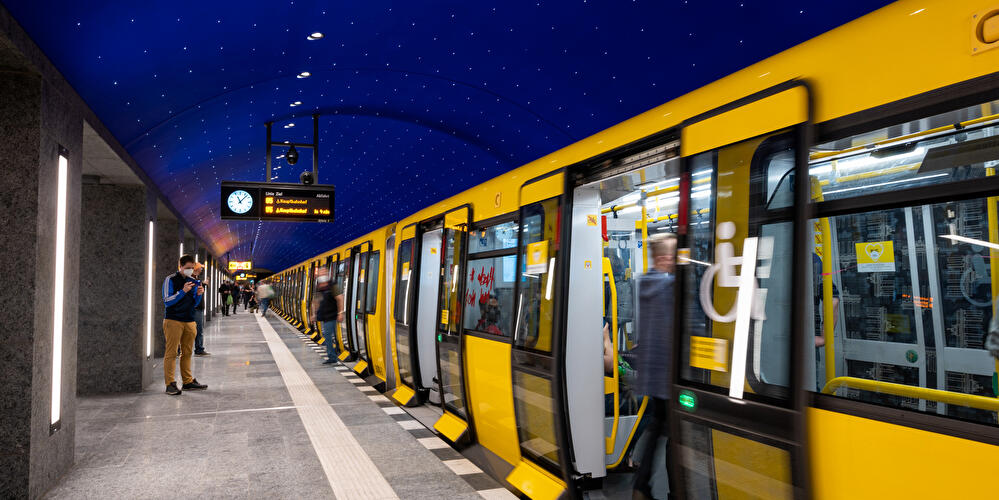 U-Bahn
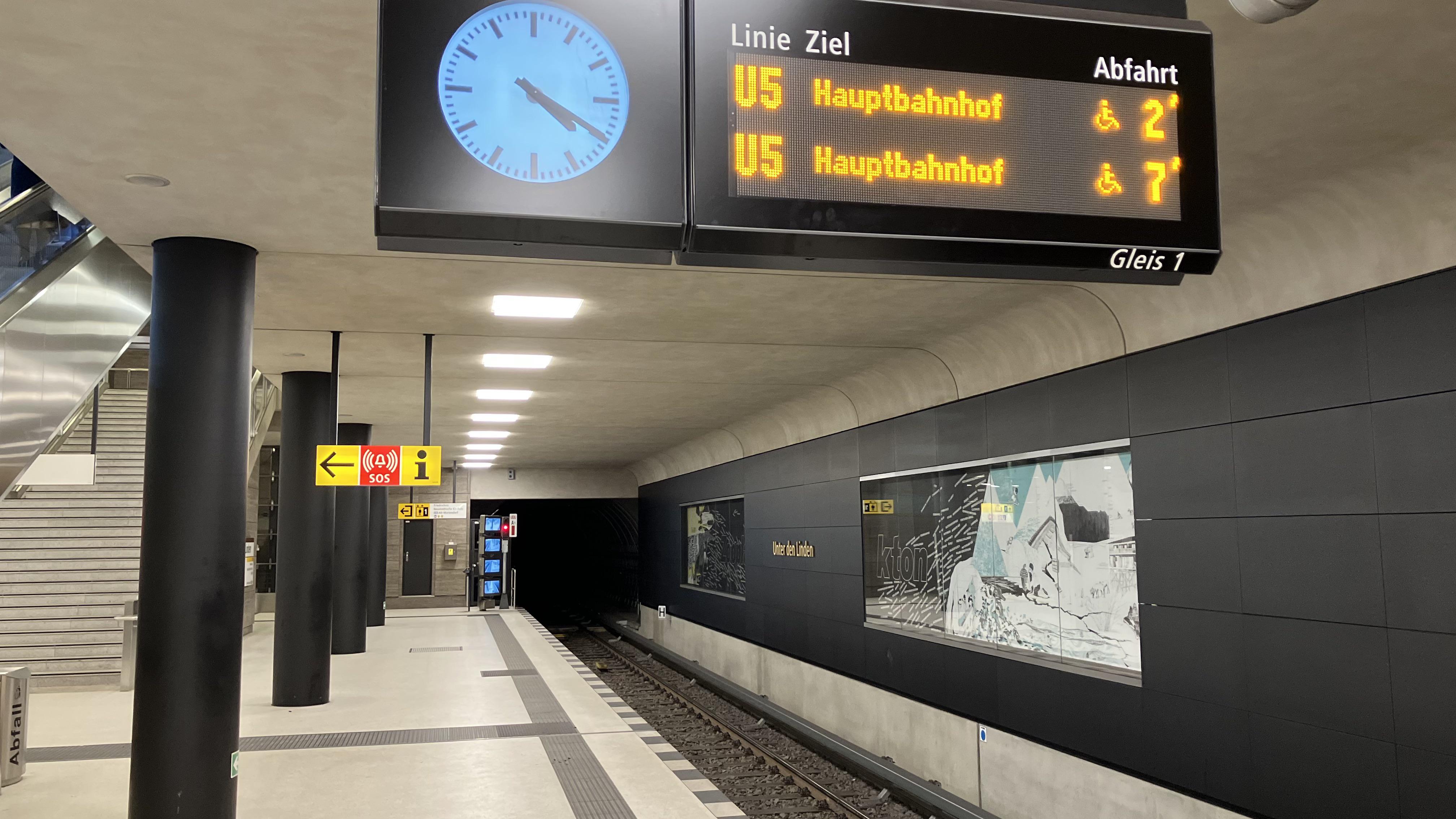 Schedules
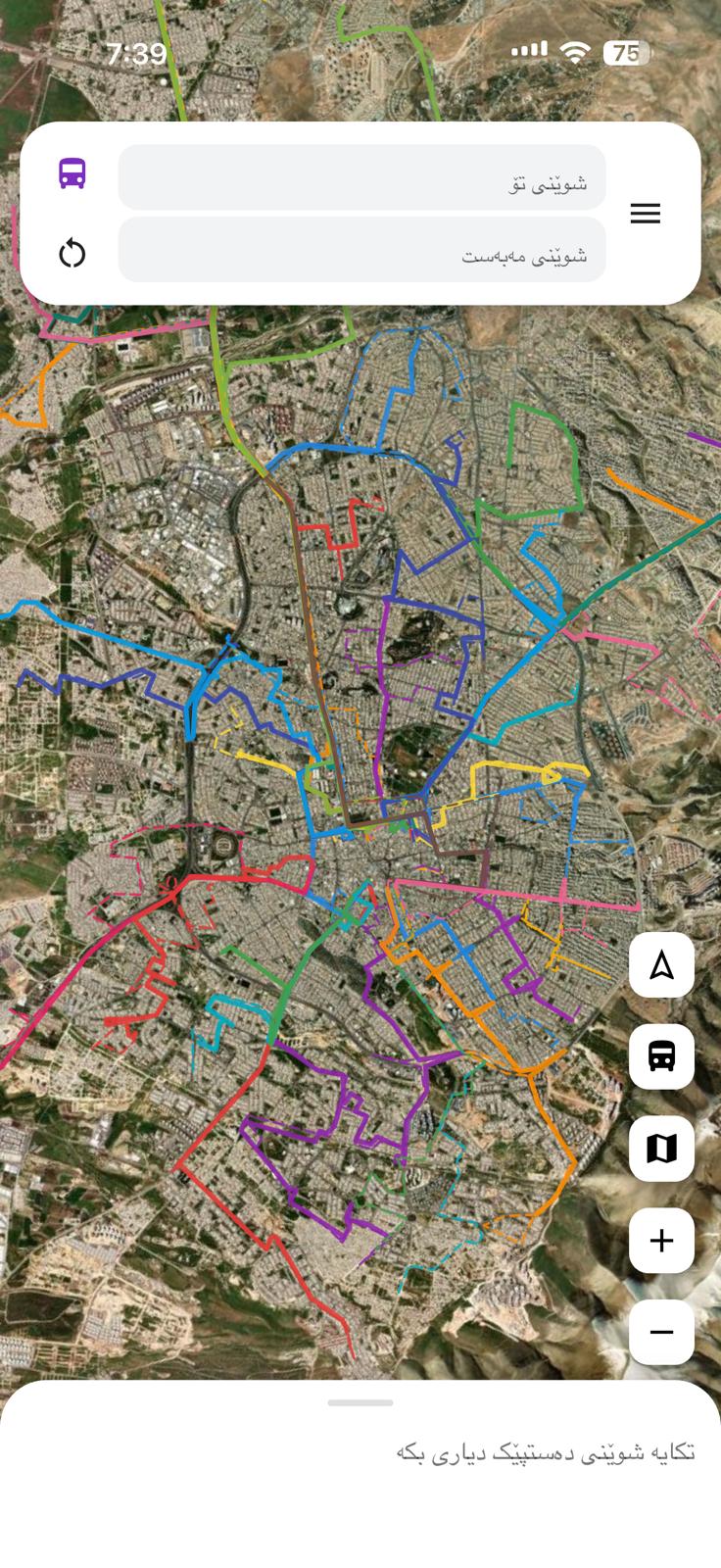
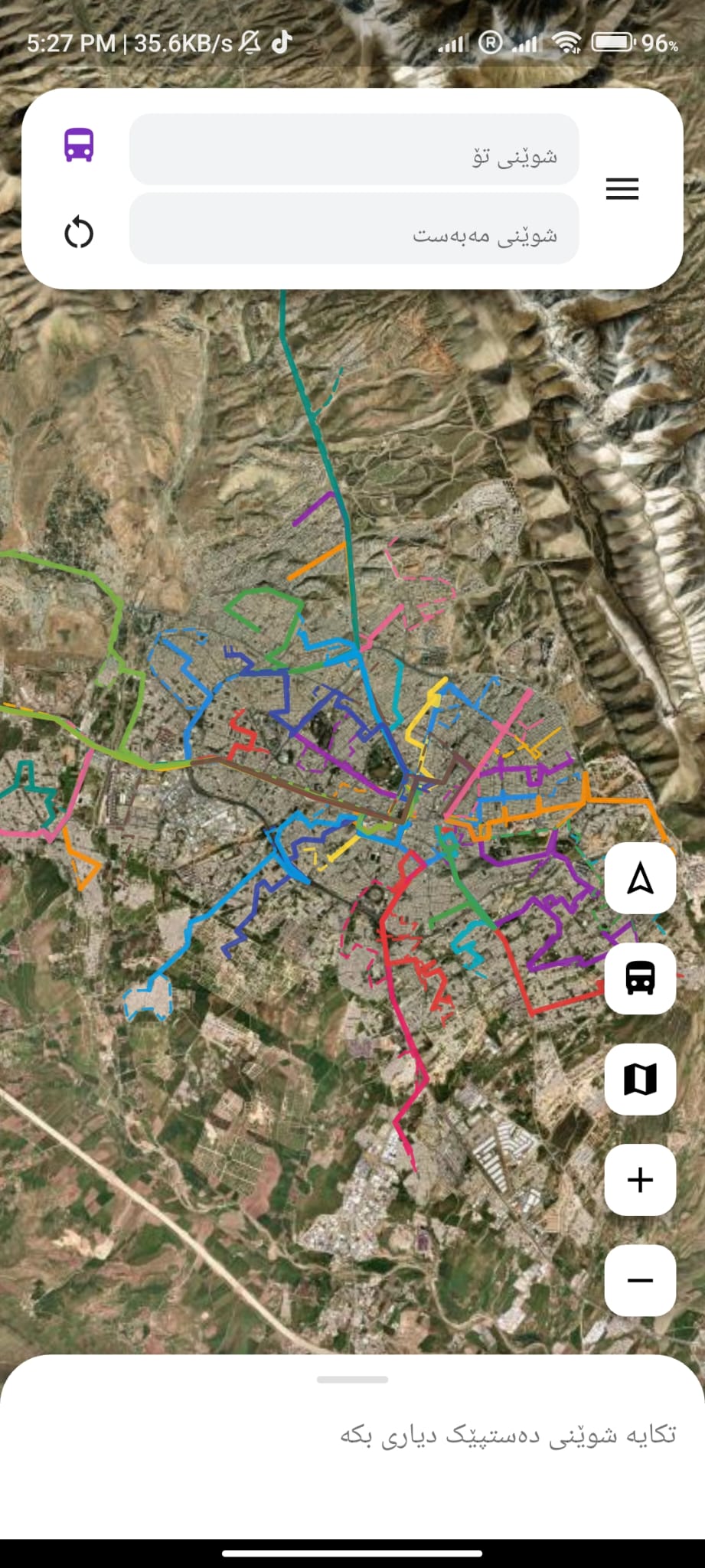
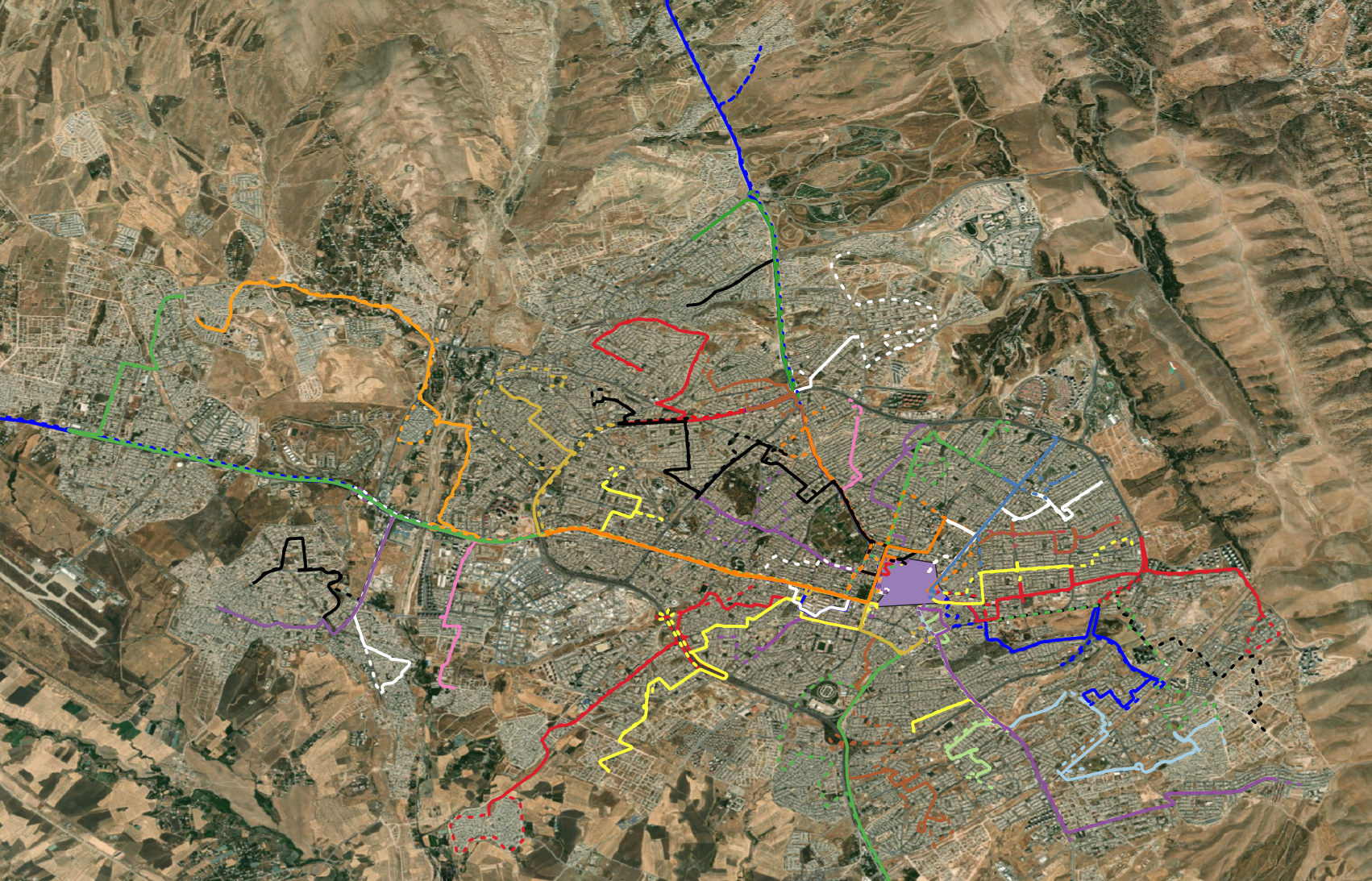
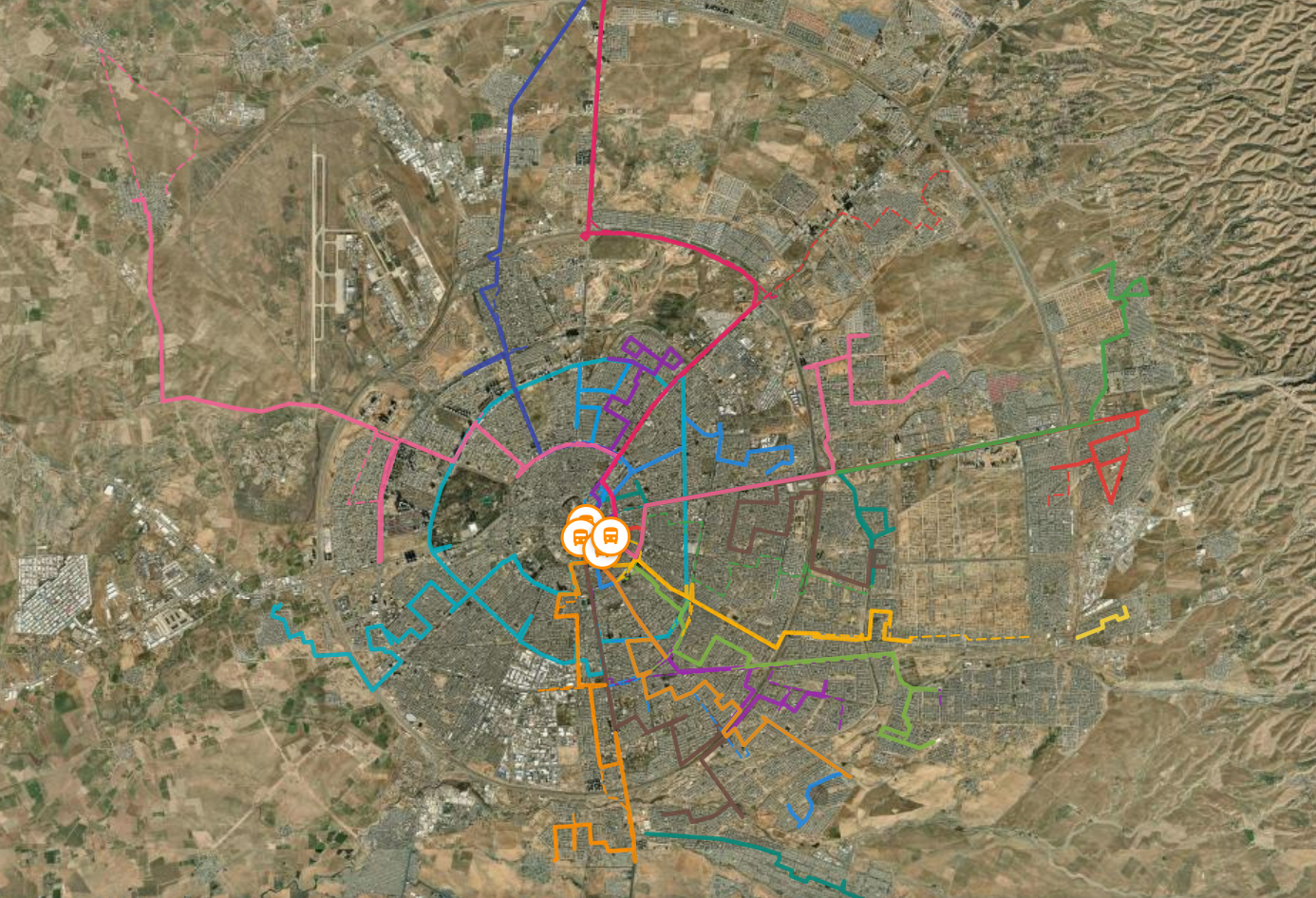
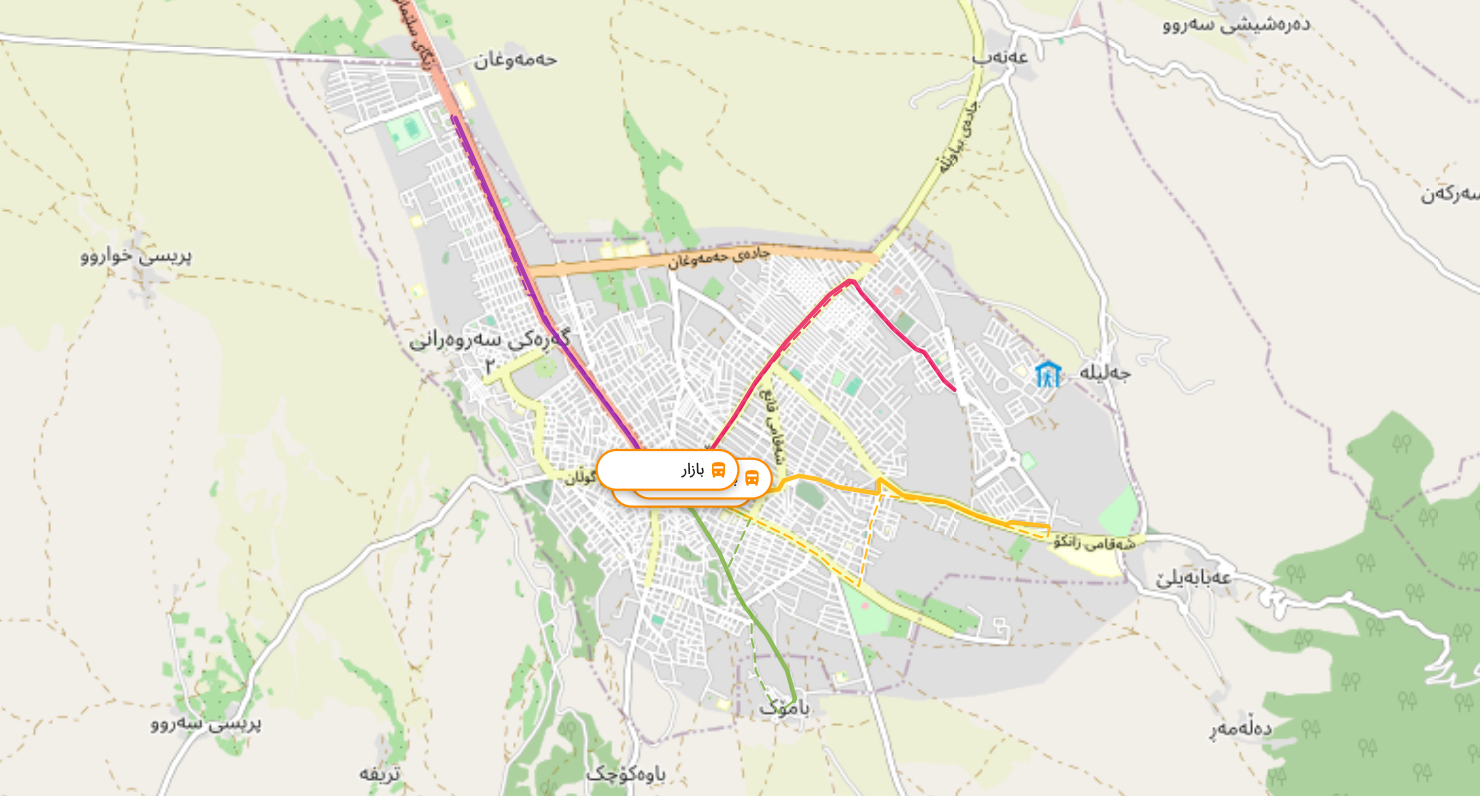
In Kurdistan, we already have buses. They are privately owned, they run every day, and the routes are mostly fixed: from neighborhoods into the city center and back. But they do not run on schedules. They wait until enough passengers fill the seats, sometimes 10 people, sometimes 15, before they move. There is no app, no timing, and no way to know from home whether a bus is coming.
So most people do not use it. Not because they are against buses, but because standing on a street waiting for something that may or may not come is not a plan. It is a gamble.
This project has a personal origin. In May 2025, while working on choosing my thesis topic, I kept coming back to this same problem. After several proposals and discussions with my professor, it became the direction for my research — and the plan is to build it much further from here.
The idea behind it
What is KURDbus?
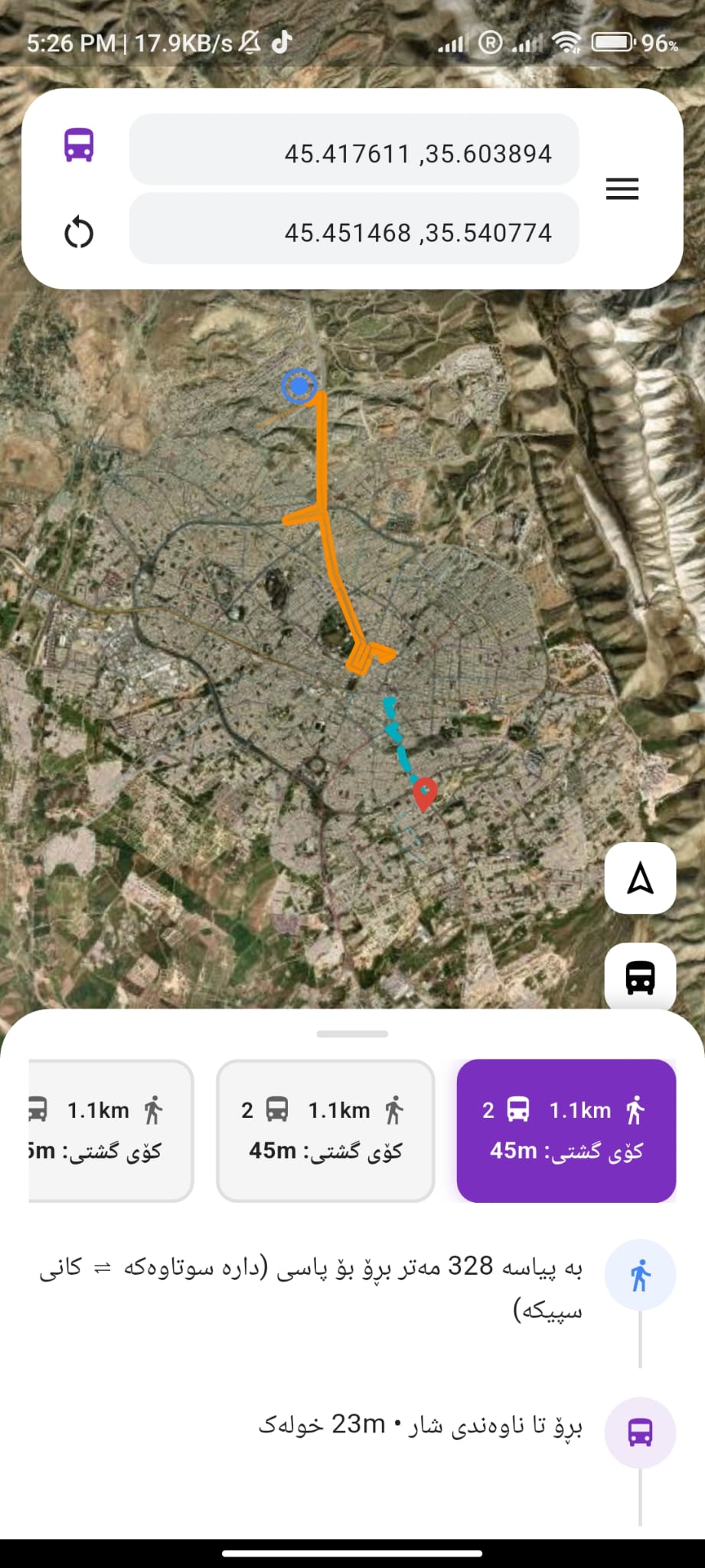
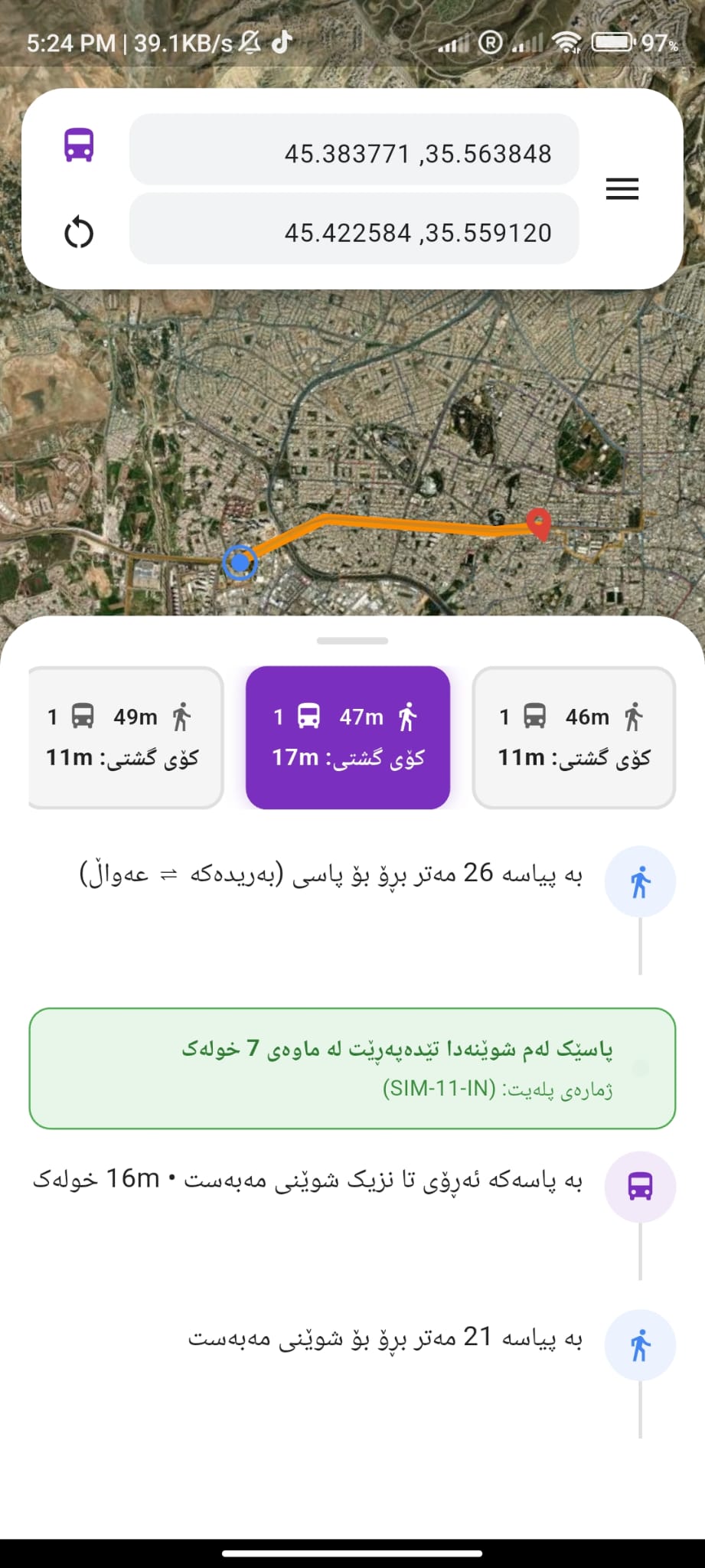
In many developed countries, public transportation is not only buses, trains, or trams — it is also a connected digital system. People can use an app or website to understand which route to take, where buses stop, when they arrive, and how to reach their destination.
•which route to take
•where buses stop
•when they arrive
•how to reach their destination
This makes public transport easier to trust and easier to use. In Kurdistan, buses and minibuses already move thousands of people every day, but much of this information is still difficult to find or understand.